Monitoring and Adjusting GLP-1 Dosing Safely Monitoring Plan for CKD Patients For patients with chronic kidney disease (CKD), careful monitoring is essential to ensure GLP-1 therapy remains safe and effective
Keep emergency equipment (e.g
Patients frequently report: Preference for bland foods Reduced meat intake Reduced fat intake Reduced portion size of protein foods Nutrient density may decline if diets shift toward: Refined carbohydrates Snack foods tolerated in small quantities Low-protein convenience options This pattern increases vulnerability for: Iron Zinc B vitamins Magnesium Protein adequacy The risk is behavioural rather than pharmacological
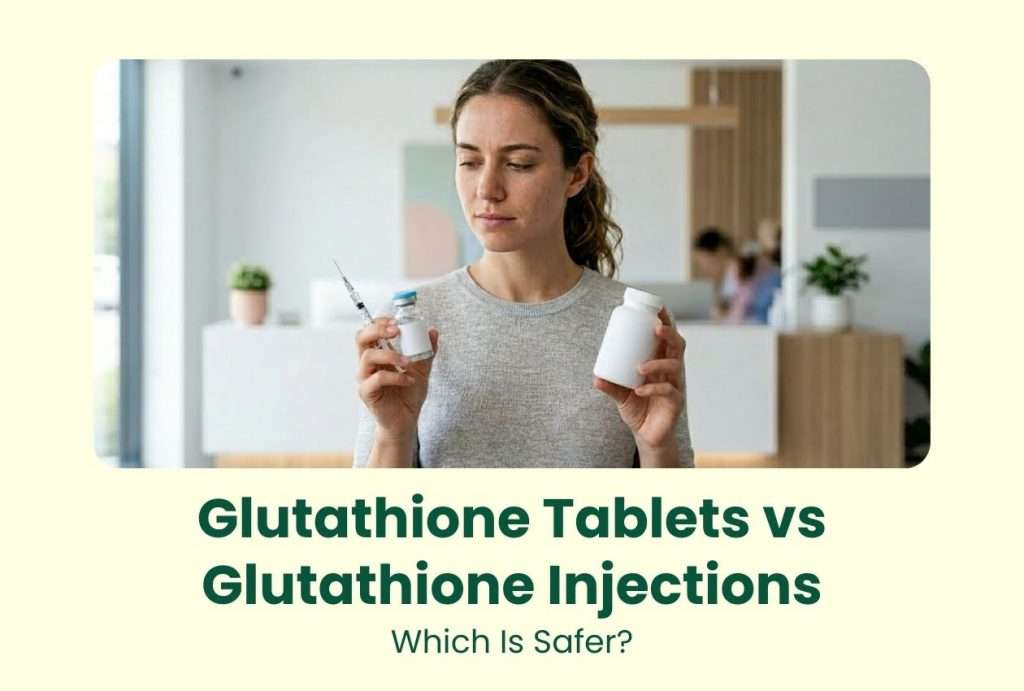
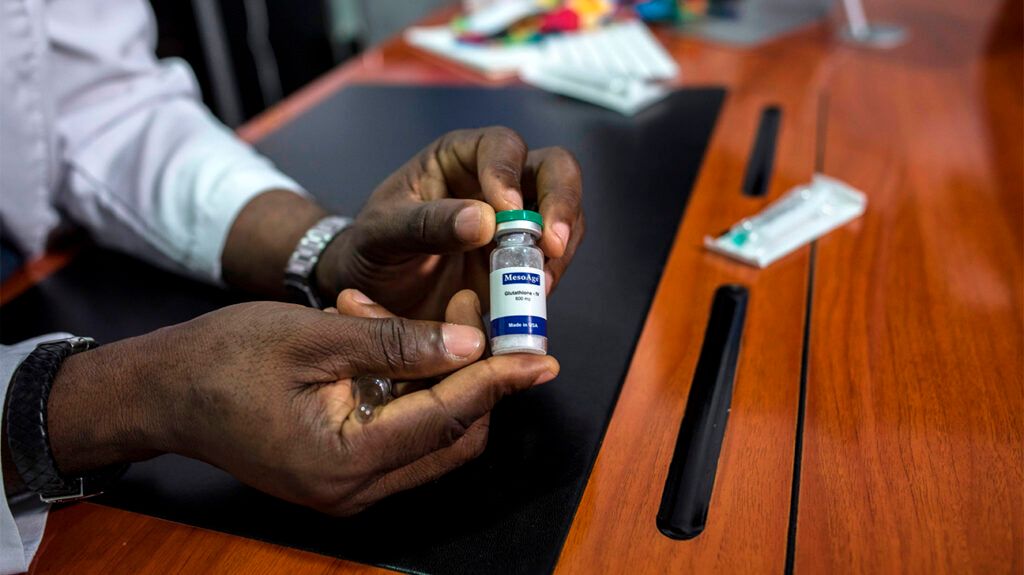
Cheap unbranded vials of unknown origin can cause severe allergic reactions, including Stevens-Johnson syndrome (a rare but serious skin reaction)
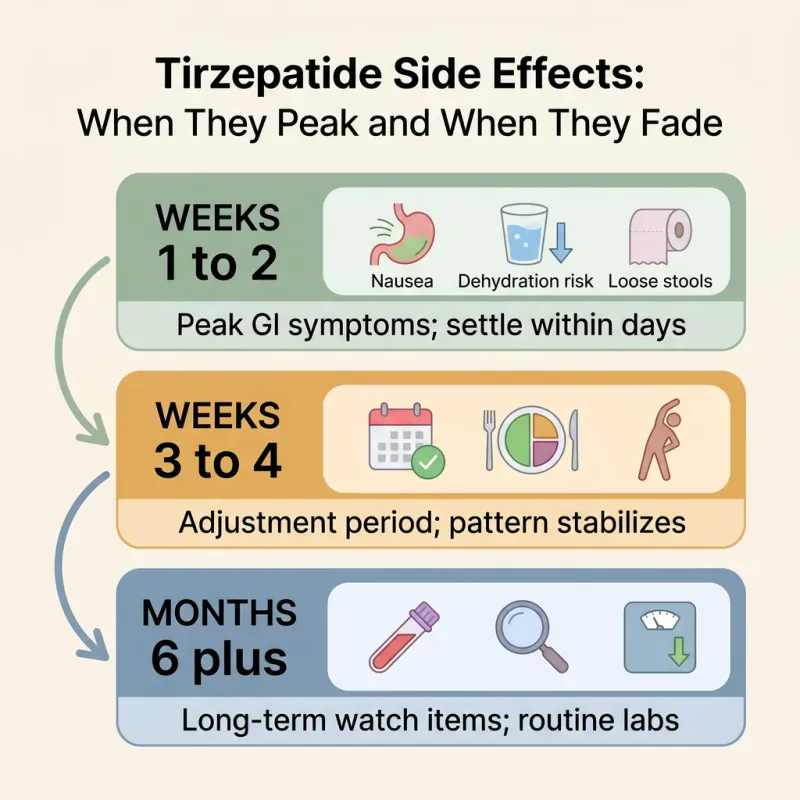
These new findings, particularly since they occurred even in people with well-controlled HbA 1c at baseline, are a reminder that, in those known to have more than background diabetic retinopathy, we should discuss use of tirzepatide with their ophthalmologist prior to initiation
Csorba A, Maka E, Maneschg OA, Szabo A, Szentmary N, Csidey M, Resch M, Imre L, Knezy K, Nagy ZZ (2020) Examination of corneal deposits in nephropathic cystinosis using in vivo confocal microscopy and anterior segment optical coherence tomography: an age-dependent cross sectional study





:max_bytes(150000):strip_icc()/benefits-of-glutathione-89457_final-01-502464fe91b2444285b0cccf8cb0a33c.png)











![Boxbreak #958 - 8 x Topps Inception UCC 25/26 - Hobby Box [CASEBREAK] PYT/PYP:Real Madrid C.F. - Vini Jr. - 389kr:](https://cdn.shopify.com/s/files/1/0910/5771/7597/files/Drakendavids_FB_BreakBilder_-_2026-07-30T152630.558.jpg?v=1785418020)
![Boxbreak #962 - 16 x Futera FX World Football Series 3 - Hobby Box [Sealed Full Case] PYT/PYP:Cameroon - 99kr:](https://cdn.shopify.com/s/files/1/0910/5771/7597/files/Drakendavids_FB_BreakBilder_-_2026-08-02T161453.630.jpg?v=1785680125)

