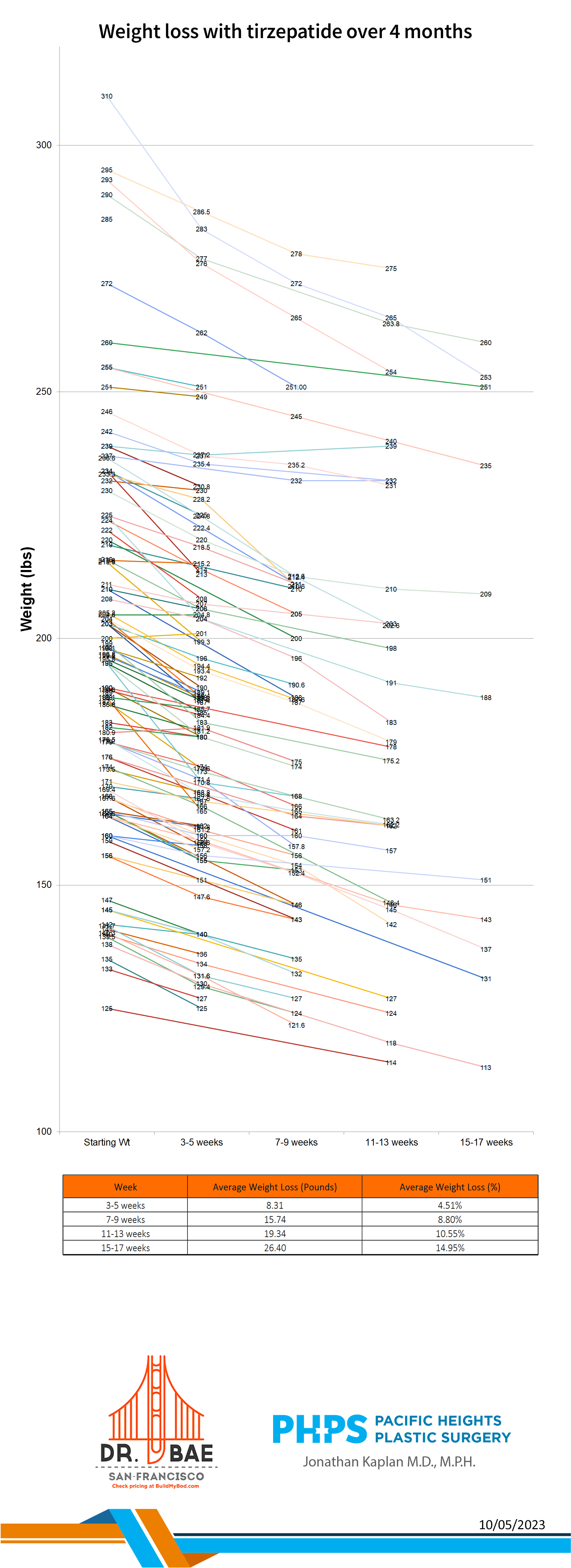
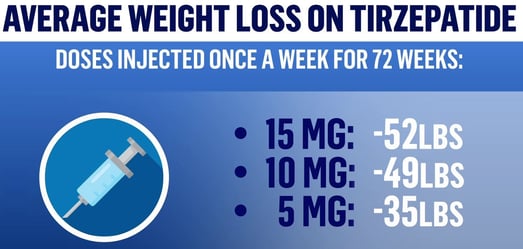
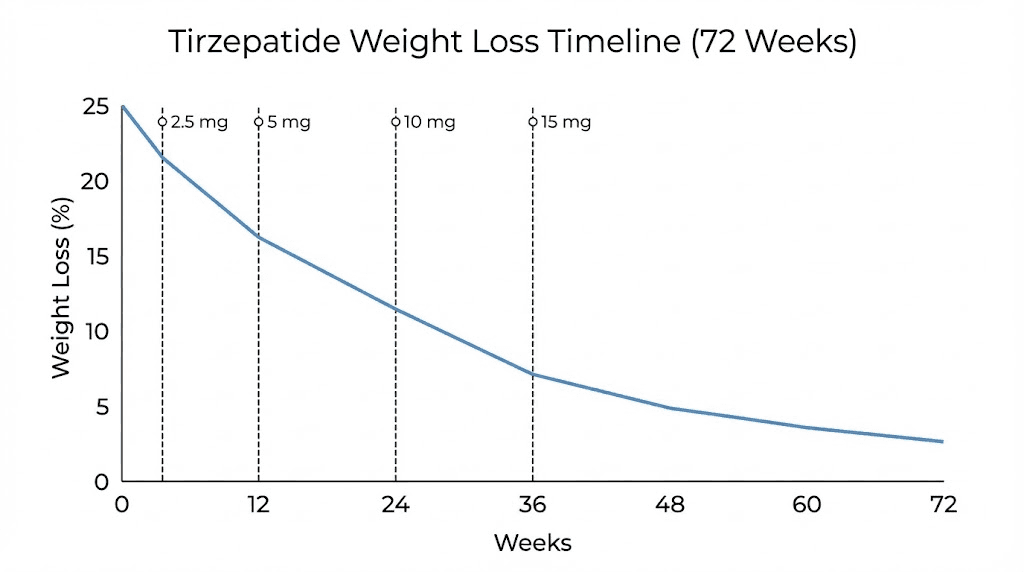
With such drastic results, its not surprising that some 6 percent of U.S

Proper reconstitution technique ensures accurate dosing and maintains peptide stability: Reconstitution Process: Use bacteriostatic water (0.9% benzyl alcohol) as reconstitution solution Add 2ml bacteriostatic water to 200mg vial for 100mg/ml concentration Add 5ml bacteriostatic water to 500mg vial for 100mg/ml concentration Inject water slowly down the side of the vial (not directly onto powder) Gently swirl vial in circular motion (do not shake vigorously) Allow powder to dissolve completely (may take 2-3 minutes) Inspect solution for clarity (should be clear with no particles) Dosing Calculations for 5 Amino 1MQ Injection: For 50mg dose from 100mg/ml solution: Draw 0.5ml For 75mg dose from 100mg/ml solution: Draw 0.75ml For 100mg dose from 100mg/ml solution: Draw 1.0ml Storage Requirements Proper storage of 5-amino-1MQ is essential for maintaining peptide stability and potency: Unreconstituted Powder: Store at room temperature (20-25C / 68-77F) Keep away from direct light and moisture Shelf life: 2-3 years when properly stored Can be refrigerated for extended stability Reconstituted Solution: Store refrigerated at 2-8C (36-46F) Protect from light (store in original vial or amber container) Use within 30 days of reconstitution Do not freeze reconstituted solution Discard if solution becomes cloudy or contains particles Timing and Cycling Strategies Optimal timing of 5-amino-1MQ administration aligns with natural circadian rhythms and metabolic patterns
It is not clear how much hunting pressure Knob-billed Duck experiences in the region, although this is a significant threat elsewhere in sub-Saharan Africa, especially during the breeding season (e.g
te atenderemos con mucho gusto por escrito
Arginine: Clinical potential of a semi-essential amino acid
In contrast, gestational obesity and diabetes can cause embryonic hyperinsulinemia and lead to infants that are large-for-gestational age (LGA), which is associated with a higher risk of obesity and metabolic disorders in adulthood (4, 15, 16)