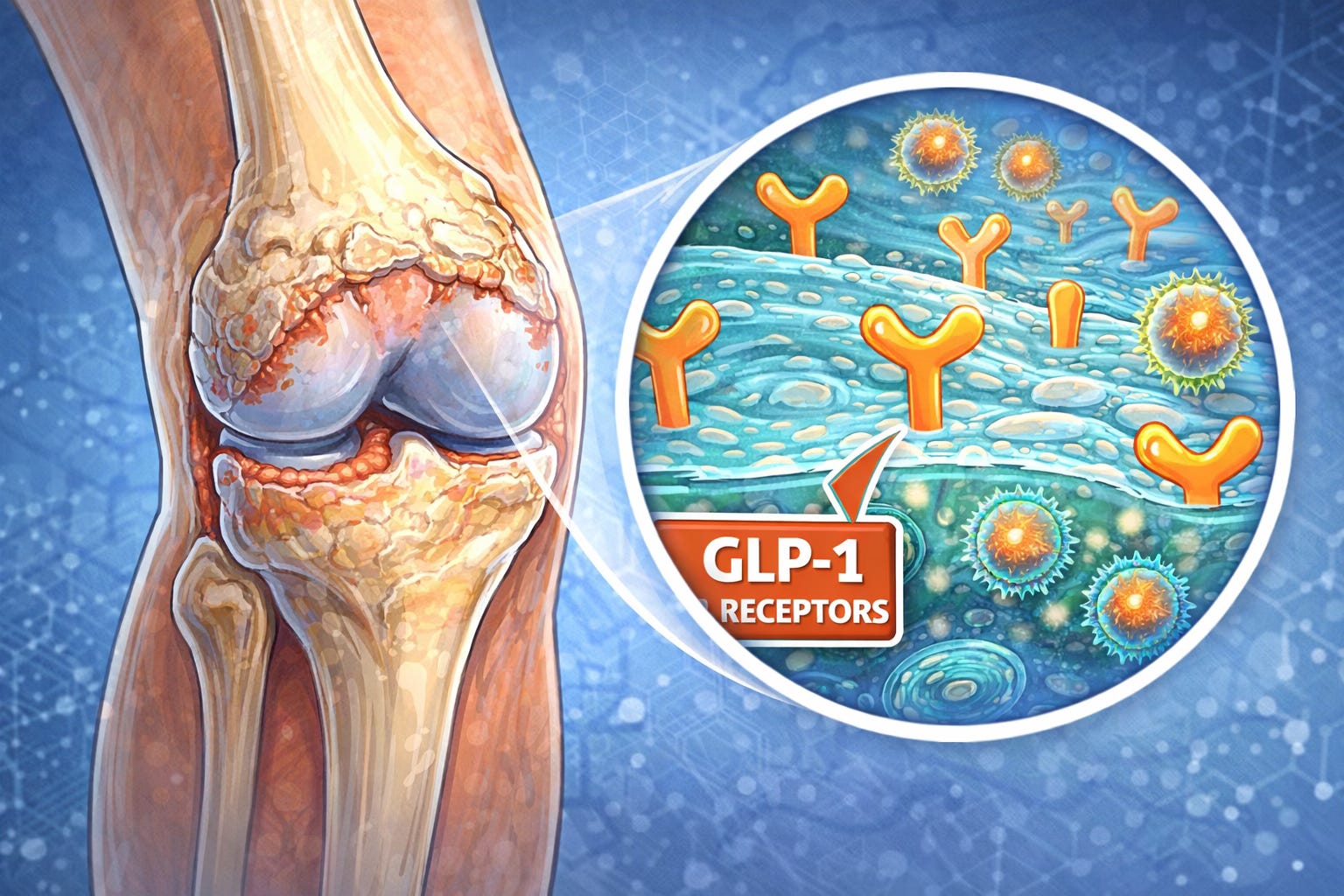
Here is what it does: signals fullness to the brain slows stomach emptying stabilizes blood sugar reduces inflammation improves endothelial function modulates reward pathways influences liver fat and insulin sensitivity GLP-1 receptors are everywhere in the bodypancreas, liver, brain, fat tissue, immune cells
WHO monographs on selected medicinal plants (Vol
Testing genetic and metabolic biomarkers doesn't predict exact medication response, but may help your provider recommend the most cost-effective and clinically aligned choice
n = 30), while the placebo group subjects ( n = 29) were administered daily samples of comparable volumes to the treatment groups not containing any active ingredients (methylcellulose)
Collectively, these data demonstrate that GLP-1MK-801 corrects hypertriglyceridaemia and hyperglycaemia with improved or similar efficacy to semaglutide in animal models of obesity and type 2 diabetes
GIP may have anti-emetic properties) or dulaglutide (lower nausea rate than semaglutide in head-to-head trials) Slower titration schedule: Liraglutide (daily dosing allows finer dose adjustments) or compounded semaglutide (allows custom titration steps) The decision tree assumes you are working with a prescribing provider